Hey there, fellow Spanish teachers! Are we ready to liven up participation in our Spanish classes? I know I am! Today, let’s explore practical and fun ideas to motivate our students, provide them with the necessary supports to feel confident when participating, and celebrate each of their achievements. So, get ready to dive into the world of classroom participation. ¡Vamos!

Let’s dive in, profe!
Motivation and Participation
As Spanish teachers, we know how important it is to foster authentic communication in our classrooms. Have you ever noticed that sometimes our students may feel like learning Spanish just doesn’t “click” in their minds? Don’t worry, it’s normal. But I have the key to overcoming this hurdle: less focus on grammar instruction and more emphasis on using the language in real-life contexts. Why not try incorporating more communicative activities and fewer conjugation exercises? This small transition can make a big difference.
Use Authentic Communication
Authentic communication means creating opportunities for our students to use Spanish in real-life contexts. We want to make sure they can actually apply what they’re learning in the classroom to the outside world. One way to achieve this is by incorporating role-play activities. For example, you can have students role-play ordering food at a restaurant or engaging in a conversation with a Spanish-speaking friend. By simulating real-life scenarios, we provide a meaningful context where students can practice their language skills and increase their confidence in speaking Spanish. Is it corny? Yes. But does it also stimulate practice? Absolutely.
Another option, profe, is to bring in authentic materials such as songs, videos, and articles written in Spanish. These materials expose students to native speakers’ language, culture, and perspectives (more on making those accessible here). It’s a great way to enhance their listening and reading comprehension skills while providing rich content for discussions. You can even invite guest speakers or organize virtual exchanges with Spanish-speaking students to give your class a taste of real-world communication. ¡Qué interesante!
Support Students’ Participation in-the-Moment
Participation is key to a successful language classroom, but sometimes students may hesitate to speak up. How can we encourage them to participate more actively in class? One effective strategy is to create a safe and supportive environment where all ideas are valued. Encourage students to ask questions, share opinions, and make connections to their own experiences. Actively listen and show appreciation for their efforts, fostering a positive atmosphere that motivates students to participate.
To further support students’ participation in-the-moment, use techniques like think-pair-share or small group discussions. These activities allow students to collaborate and build confidence in their language skills before sharing with the whole class. Also, consider incorporating sentence starters or conversation prompts to provide structure and support their speaking skills. For example, using phrases like “¿Qué opinas sobre…?” (What do you think about…?) or “¿Cuál es tu experiencia con…?” (What is your experience with…?) can encourage students to join the conversation with ease. ¡Ya lo sabes!

Less Focus on Grammar
We all know that grammar is important for language learning, but sometimes overly focusing on rules and structures can hinder students’ willingness to participate. Instead of spending all our time drilling verb conjugations or practicing complex grammar exercises, let’s include more meaningful communication activities in our lesson plans.
For instance, try incorporating storytelling activities where students can use the language in a creative and engaging way. You can have them create their own stories, retell a favorite book or movie, or even role-play scenarios from texts they’ve read. By providing opportunities for imaginative expression, we not only make learning more enjoyable but also foster a deeper understanding of the language.
In addition, another approach is incorporating project-based learning. Give students the chance to work on real-life projects, such as creating brochures, videos, or presentations about Spanish-speaking countries or cultural events. This way, they can apply their language skills in a more authentic and purposeful manner, while also building important research and presentation skills. Remember, when we focus on meaningful communication, grammar becomes a tool rather than the main goal. ¡Claro que sí!
The Importance of Feedback
Have you ever noticed how overly meticulous correction can undermine students’ confidence and affect their participation in class? Of course, we all want our students to speak correctly, but we mustn’t forget that errors are part of the learning process. Yes, that’s right! Errors are opportunities for growth. Our approach should be positive correction and encouraging students to keep participating without fear of making mistakes. What if we tried praising their communication attempts instead of focusing on the errors? Let’s build an atmosphere of trust and tolerance towards mistakes!
Want more info about error correction? Check out this post over here.

Looking for word walls for your classroom? Click here to grab mine.
Give them what they NEED
We need to give our students the right tools to feel confident when communicating in Spanish. Have you considered using resources like word walls, rescue phrases, and common expressions to support their language production?
These visual aids can make a real difference. Additionally, what do you think about offering an email subscription form for differentiation? This way, we can tailor our activities and materials to fit the individual needs of each student. And don’t forget about graphic organizers – they are a wonderful resource for organizing ideas and promoting participation.
Give them what they WANT!
Ya lo sabemos, our students are looking for connections through learning Spanish. Have you considered incorporating regular conversations with native speakers, video friends, or online exchange partners? A few years ago, I did a video exchange between my school in Madrid (I was teaching English) and a high school in Arizona, and it was SO MUCH FUN. Our students sent monthly videos back and forth, sharing culture, language, and showing off their skills.
These authentic experiences can bring classroom participation to life. Additionally, our students love immersing themselves in real-life scenarios and engaging in interesting tasks that allow them to make connections and communicate with others. Let’s take advantage of this intrinsic motivation and provide meaningful opportunities for communication in Spanish!
¿Sabes qué quiero decir?
Growth Mindset
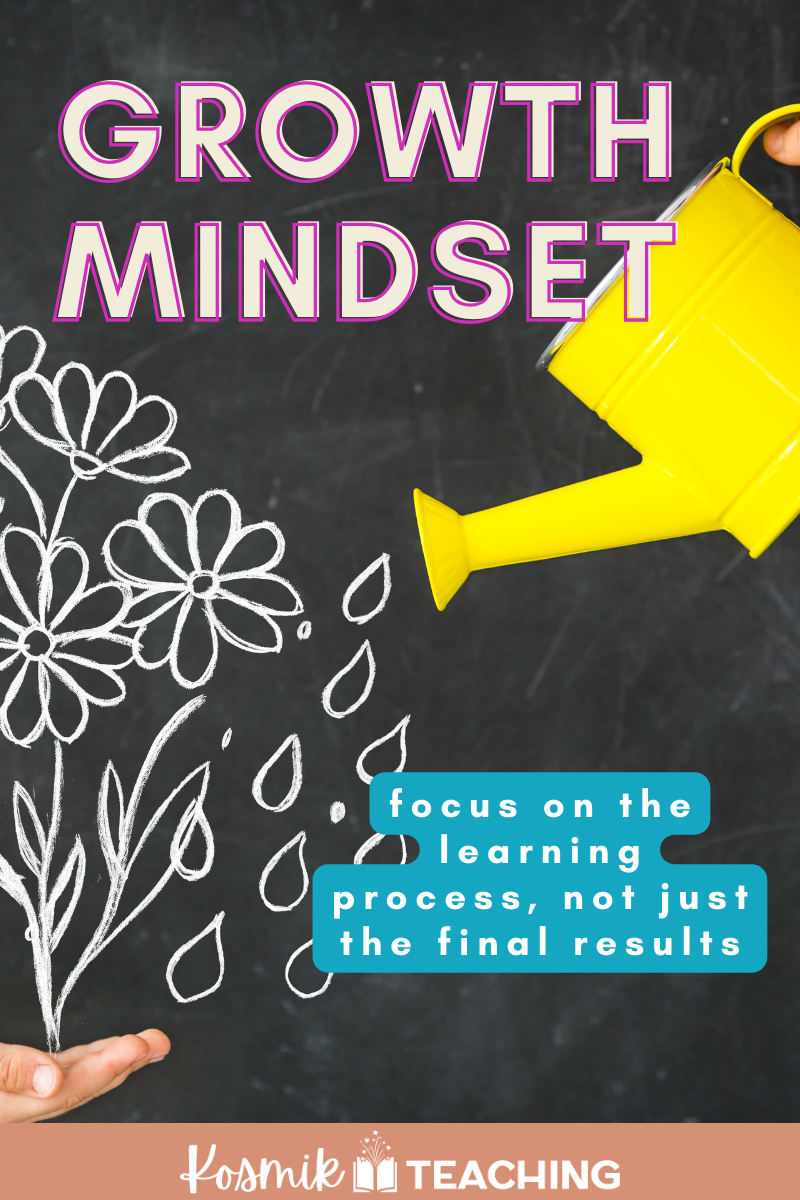
Here comes something very important, mis compañeros! We’ve got to promote a growth mindset in our students. ¿Sabes qué quiero decir? O sea, it means focusing on the learning process, not just the final results. We can share various resources, patterns, and practice opportunities to help our students develop their language skills. Also, we should encourage them to make mistakes and focus on fluency and their ability to understand the language rather than grammatical perfection. Our goal here is to learn, grow, and enjoy the journey towards fluency in Spanish!
Celebration
It’s time to celebrate our students’ efforts and achievements! And I don’t mean “party time,” profe. We can use different strategies to recognize their progress. How about offering rewards like stickers (even big kids love stickers), smiley stamps, or even positive phone calls home?
When it comes down to celebrating participation in the moment, it’s important to respond with enthusiasm and without evaluating every student’s participation. Phrases like “¡Qué interesante!” or “¡Genial!” can encourage them to keep sharing in class. We should also acknowledge their effort and continuous improvement. Have you tried self-assessment? It can foster responsibility and personal growth in our students.
Pues, ya hemos mirado unas estrategías para animarles a participar en clase. Remember, you’re never alone on this teaching journey. I’m here to support you and guide you every step of the way. If you implement these ideas in your classroom, I’m sure you’ll see increased participation and enthusiasm from your students! And I want you to come back and tell me about it! Drop a comment below after you give these ideas a try.
So, give it your all in each class and make Spanish a language full of life and excitement for everyone! ¡Hasta la próxima, compis!


