


Teaching grammar doesn’t have to mean boring drills or endless worksheets, profe. In fact, some of my most effective grammar lessons happen through stories. By using comprehensible input, pop-up grammar techniques, and teaching grammar in context, you can create engaging, memorable lessons that help students internalize language naturally. This blog post will guide you through these strategies and show you how to seamlessly incorporate grammar instruction into storytelling, making grammar lessons both fun and effective for your students, without a lot of extra work on your part.
1. Use Comprehensible Input
What is comprehensible input (CI)? Simply put, it’s language that students can understand with just enough challenge to help them grow. Storytelling is a perfect vehicle for providing rich, contextualized examples of grammar structures while keeping students engaged.
How do you make input comprehensible?
- Simplify vocabulary while keeping the meaning intact.
- Use gestures, facial expressions, and body language to reinforce understanding.
- Incorporate visuals, such as drawings, slides, or props, to clarify the story’s meaning. You can also use video clips if you can find a good one!
- Repeat key structures naturally throughout the story.
When students hear grammar in a meaningful context, they start to absorb patterns without needing direct, heavy-handed instruction.
Click here to see my favorite six resources to help get your started with CI.
2. Pop-Up Grammar: Keeping It Quick and Simple
Pop-up grammar is a game-changer when it comes to grammar instruction. Instead of lengthy explanations that interrupt the story’s flow, pop-up grammar consists of brief, in-the-moment explanations that highlight important structures.
How does it work?
- When a key grammar point appears in the story, pause briefly to point it out. (“Did you notice how ‘habló’ ends in -ó? Why do you think that is?”)
- Keep it short—just a sentence or two.
- Focus on one or two key grammar points at a time.
- Let the story do most of the teaching!
Want a deeper dive into pop-up grammar? Check out my detailed blog post on pop-up grammar strategies.
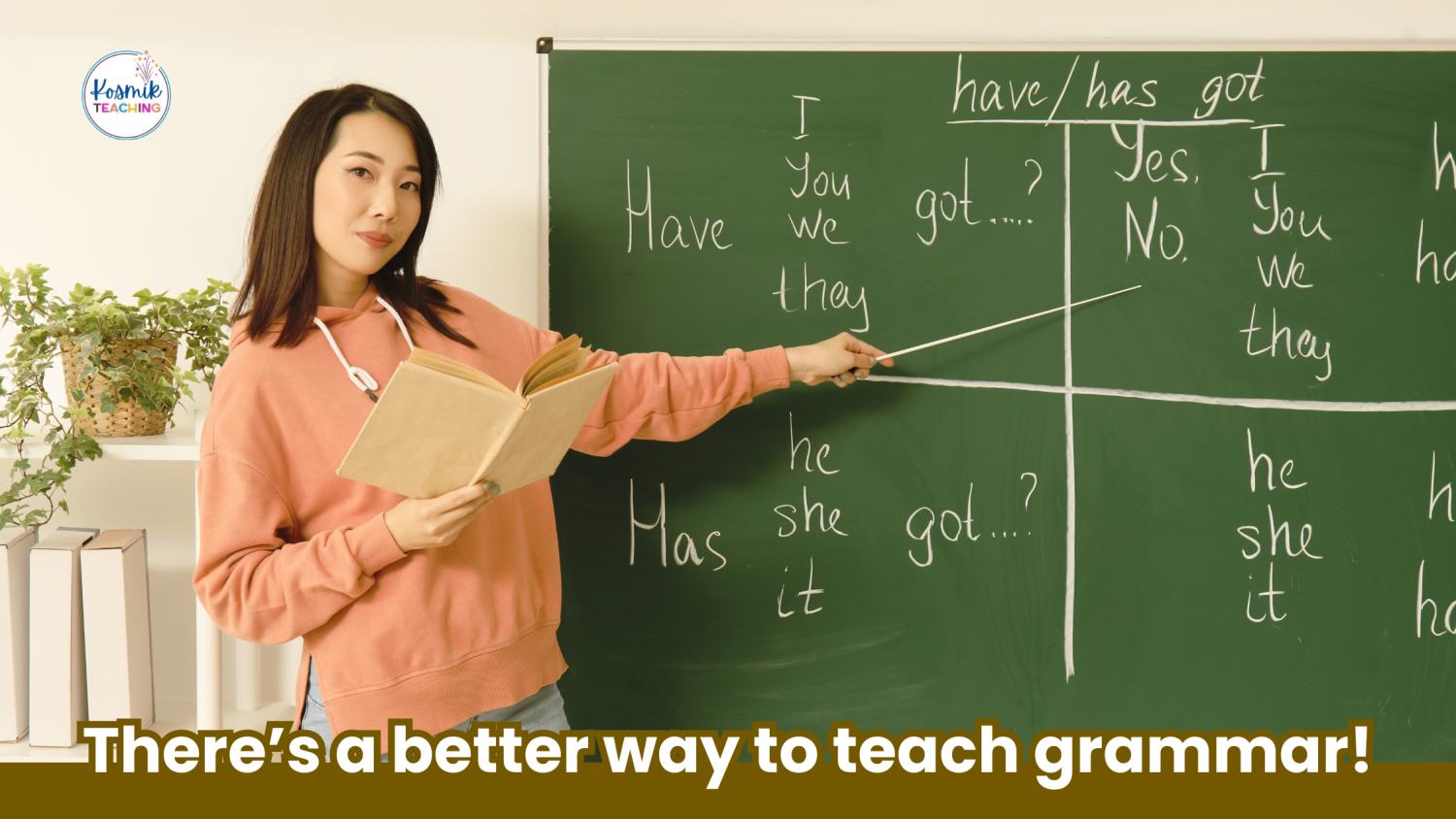
3. Teach Grammar in Context
Students learn best when they see grammar in action, rather than as isolated rules on a worksheet. That’s why it’s crucial to show how grammar works in real-life communication.
How to teach grammar in context:
- Use a story’s events to illustrate grammar rules. For example, if teaching past tense, tell an engaging story about something that happened last weekend.
- Highlight patterns in the story rather than drilling verb charts.
- Reinforce understanding with interactive activities, such as:
- Retelling the story: Students retell the story in pairs using target structures.
- Parallel story creation: Students create their own short stories using the same grammar structures.
- Personalized responses: Ask students to connect the story to their own experiences using the grammar point.
By making grammar meaningful and relevant, students are much more likely to retain what they’ve learned.
4. Putting It All Together: A Step-by-Step Example
Let’s walk through a simple way to teach grammar through a story.
Step 1: Choose a Story A short, engaging story that includes the target grammar naturally. You can write this story or find an authentic resource online.
Example:
María estaba en el parque cuando vio un perro. El perro corrió hacia ella y saltó para saludarle. “¡Qué bonito eres!” dijo María.
Step 2: Provide Comprehensible Input
- Use gestures to act out corrió (ran) and saltó (jumped).
- Show a picture of a dog running.
- Rephrase: El perro fue rápido hacia María. Se movió muy rápido.
Step 3: Pop-Up Grammar
- Briefly point out estaba vs. vio: “See how ‘estaba’ describes the situation, but ‘vio’ is a one-time action?”
- I like to ask students what they notice, instead of telling them. I find that this helps the idea stick better, but you can do this in your own way!
Step 4: Reinforce with Activities
- Have students act out the story or do a dramatic retell activity.
- Ask comprehension questions using the target structures.
- Have students create their own stories using the same verb structures.
This process makes grammar instruction natural and engaging, rather than overwhelming or boring.

Conclusion: Why Teaching Grammar Through Stories Works
Teaching grammar through stories not only makes lessons more engaging but also helps students internalize grammar in a meaningful way. By using comprehensible input, integrating pop-up grammar, and teaching grammar in context, you’ll create lessons that are both effective and enjoyable. Start incorporating these strategies today and watch your students’ understanding of grammar flourish!
Key Takeaways:
✅ Comprehensible input makes grammar lessons more accessible and engaging.
✅ Pop-up grammar provides quick, targeted explanations without disrupting the story.
✅ Contextual grammar instruction helps students see how grammar works in real-life communication.
✅ Combining these strategies makes grammar lessons memorable and effective.
Ready to Transform Your Grammar Lessons?
Start teaching grammar with real-world connections and stories, packed with tips, examples, and activities to get you started!
📥 Grab My Free Grammar Resource for AR verbs to get you started!
This resource includes sample stories, pop-up grammar examples, and activities to help you integrate grammar into storytelling effortlessly. Click here to download your free guide and revolutionize your grammar lessons today!


