

Every March, classrooms around the U.S. celebrate Women’s History Month, but how often do students learn about the incredible contributions of Latina women? From Nobel Prize winners to revolutionary activists, women have shaped Hispanic history and culture in ways that deserve more recognition.
If you’re looking for fresh ideas to bring these stories to life in your Spanish classroom, here’s how to make Women’s History Month engaging, meaningful, and culturally rich.
Why Teach Women’s History in Spanish Class?
Many history and language curricula highlight famous men—Simón Bolívar, Pablo Neruda, Diego Rivera—while women’s voices are often missing. Teaching about Latina leaders, artists, and changemakers gives students a more complete understanding of the Spanish-speaking world and provides inspiration from powerful role models.
Creative Ways to Bring Women’s History into Your Classroom
1. Storytelling Through Powerful Biographies
Rather than relying on dry facts, introduce women’s stories through narratives:
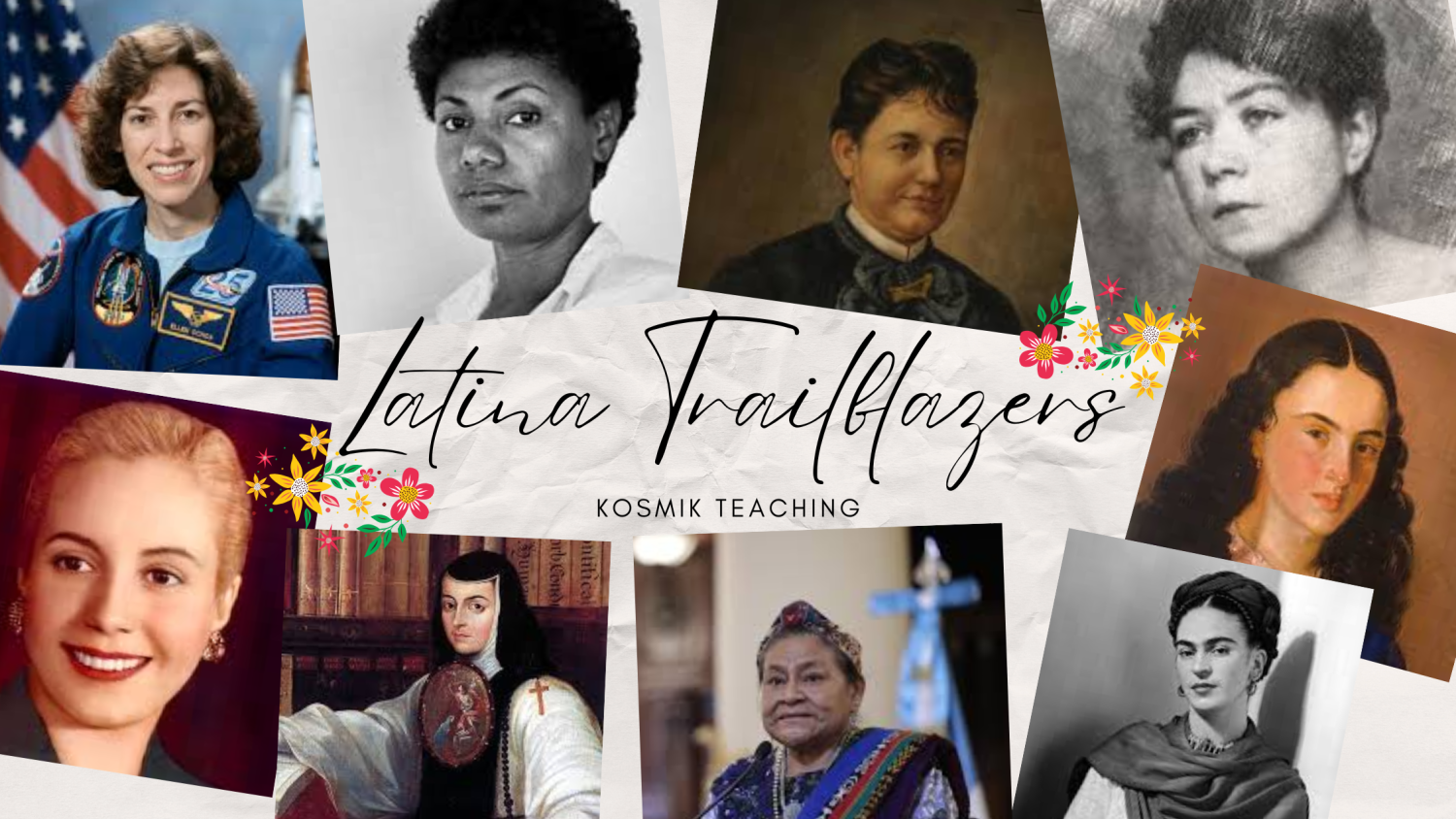
- Frida Kahlo: Use her diary entries to explore her life beyond her paintings.
- Sor Juana Inés de la Cruz: Analyze her poetry and letters advocating for women’s education. I know I loved reading Sor Juana’s work when I was in college. This would be such a treat for higher-level classes.
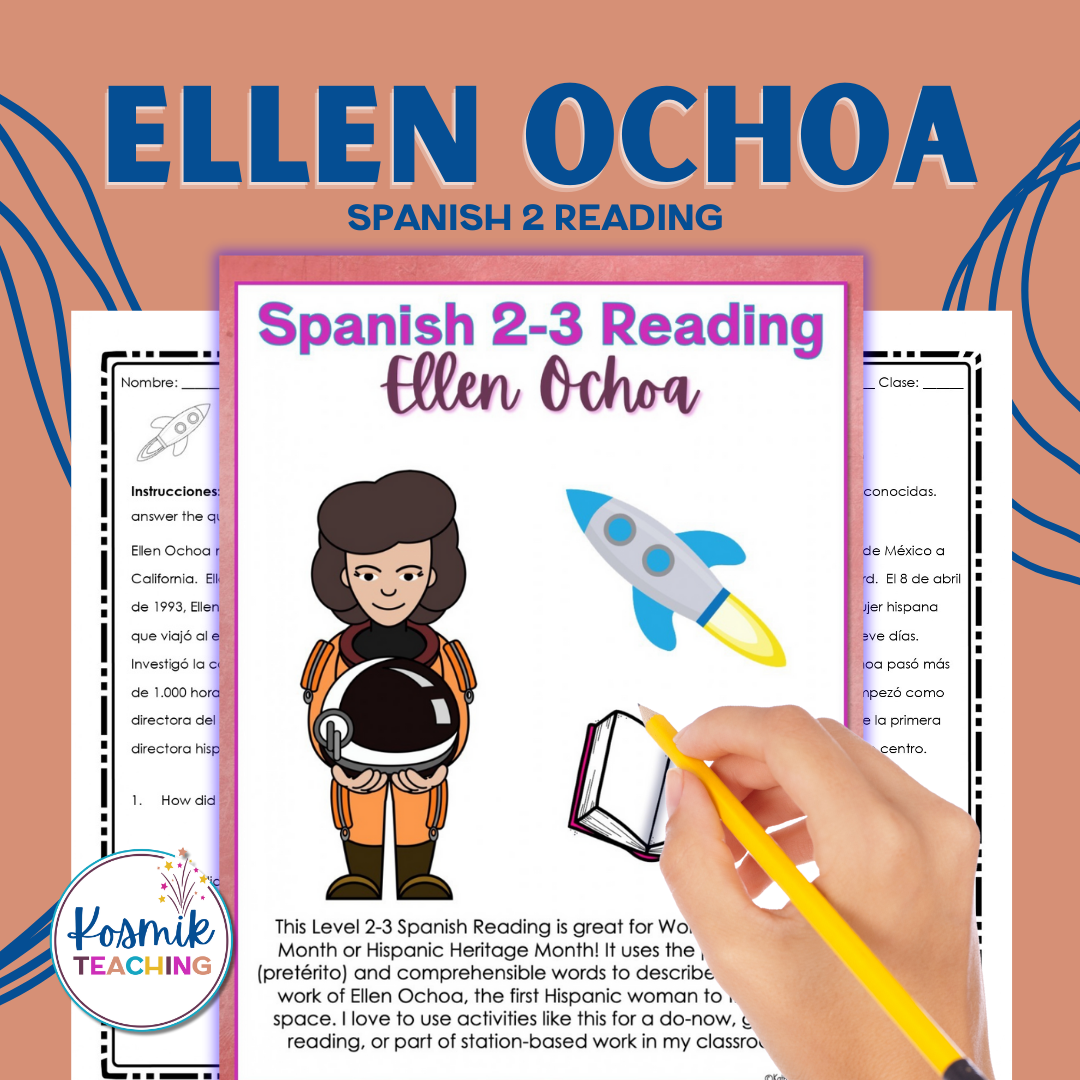
- Ellen Ochoa: Discuss her journey as the first Latina astronaut and what it means for STEM representation. If you want to share Ellen Ochoa’s story with your class, check out this reading resource.
Make it interactive! Students can act out interviews, write social media posts in the perspective of these women, or create infographics about their achievements.
2. Use Authentic Media & Pop Culture
Students engage best when lessons feel relevant. You might consider:
- Latina-led TED Talks with transcripts for scaffolding
- Pop music by women artists with themes of empowerment
- Social media activism — analyze Instagram posts from Latina leaders
A great example is Ana Tijoux’s “Antipatriarca”, which sparks discussions about feminism and societal change.
3. Make It Hands-On with Interactive Activities
- Role-Playing: Assign students different Latina historical figures for a class “talk show.”
- Digital Timelines: Use tools like Canva or Google Slides to create visual timelines of women’s achievements.
- Art & Poetry Response: After reading a poem by Alfonsina Storni, have students create a visual or poetic response.
4. Challenge Students to Discover “Hidden Figures”
Most students know about Frida Kahlo, but what about:
- Policarpa Salavarrieta (Colombia) – A revolutionary spy against Spanish rule
- María Elena Moyano (Perú) – A fearless activist fighting against violence
- Lola Rodríguez de Tió (Puerto Rico) – A poet whose work fueled independence movements
Encourage students to research lesser-known but equally influential Latina figures and present their findings in Spanish.
Beyond Women’s History Month: Keep the Conversation Going
While March is a great starting point, these discussions should continue throughout the year. Consider:
- Integrating Latina authors into reading assignments
- Using Spanish-language films with strong female leads
- Highlighting women’s contributions in cultural & historical discussions
By making women’s voices a regular part of your Spanish curriculum, students develop a more inclusive and well-rounded perspective of the Hispanic world.
What’s your favorite way to incorporate Women’s History into your Spanish class? Let’s share ideas in the comments!


