The winter holidays are a special time for rest, reflection, and spending time with loved ones. But when the decorations come down and it’s time to get back to work, the transition can sometimes feel a little overwhelming. Para los alumnos and especially for the teachers, returning to Spanish class after the holidays can be a challenge—especially if you’ve been out of the routine for a few weeks.
Whether you’re teaching vocabulary, grammar, or cultural lessons, it’s essential to ease the transition with activities that refresh students’ skills while keeping them engaged. From reviewing pre-break content to introducing new semester goals, let’s ensure that your students start the new year on the right foot—¡con entusiasmo!
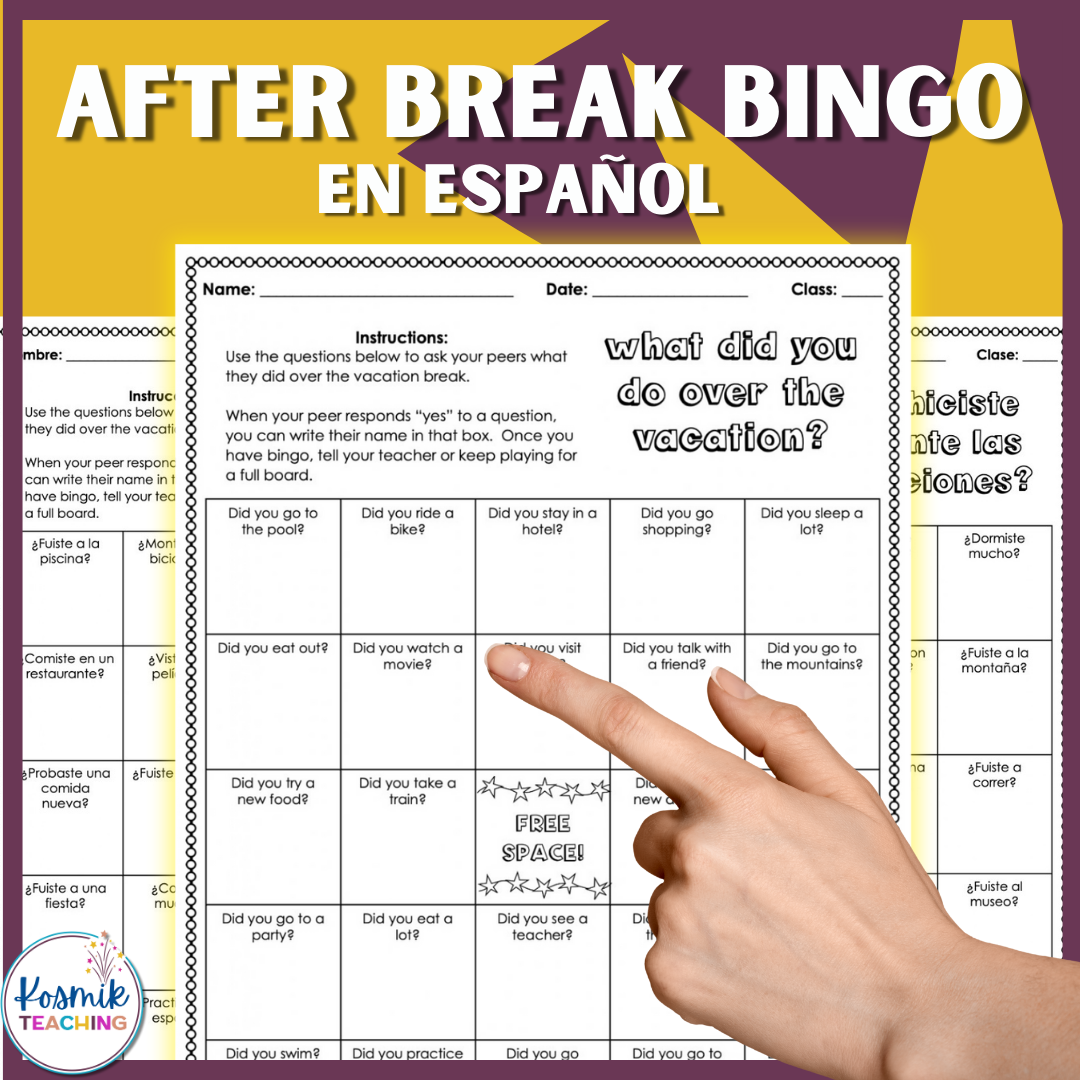
Looking for a done-for-you back to school activity? Click here for my back-from-break speaking activity.
Reinforce Conversational Spanish
As part of your warm welcome, consider using a “Find Someone Who…” bingo or survey activity in Spanish (like this one). Each student receives a list of prompts like:
- “Habla con alguien que recibió un regalo interesante” (Talk to someone who got an interesting gift).
- “Encuentra a alguien que fue de vacaciones a otro lugar” (Find someone who traveled somewhere for vacation).
Students ask each other questions to complete their bingo or survey, using the conversational phrases introduced at the start of class.
By starting with a warm welcome in Spanish, even teachers who previously used little conversational Spanish can foster a more immersive and engaging environment. It’s an opportunity to create a sense of community and set the tone for a Spanish-filled semester.
Ideas for Teachers Who Weren’t Using Spanish Before the Break
If speaking Spanish wasn’t a regular part of your classroom before the holidays, now is the perfect time to make a fresh start. Use the new semester as an opportunity to incorporate more Spanish into everyday routines.
- Start Small
Introduce conversational Spanish incrementally by beginning with a daily greeting ritual (some teachers use “passwords”). For instance, say “Buenos días” or “Buenas tardes” as students walk in, and encourage them to respond in kind. - Set Expectations
Expectations are key to helping students know what to expect, and how to interact in class. Explain to your students why you’re shifting to more Spanish in class and how it will help them grow. Be honest: it might feel awkward at first, but consistent exposure will make them more comfortable over time. - Use Familiar Contexts
Ease into Spanish by building on topics they already know. For example, if you recently discussed family or hobbies before the break, frame your welcome-back questions around these areas. This makes the transition smoother and less intimidating. You can even provide chat mats, like this one for greetings, to help them get by. - Incorporate Non-Verbal Supports
Pair your Spanish greetings and questions with gestures, visuals, or even translations at first, so students don’t feel lost. For example, point to yourself while saying “Yo fui a…” (I went to…) and encourage them to try finishing the sentence. Word walls can also be a great non-verbal support that you leave up all year. - Model Enthusiasm
Your attitude will set the tone! In my experience with middle schoolers, I know that if you’re hyped up about it, they will be too. High schoolers can be harder to convince, but if you can get excited about something, they will follow along (even if they hesitate). Show students that speaking Spanish can be fun. Share your own holiday story in Spanish, emphasizing the phrases they’ll be using, and encourage them to try to do the same.
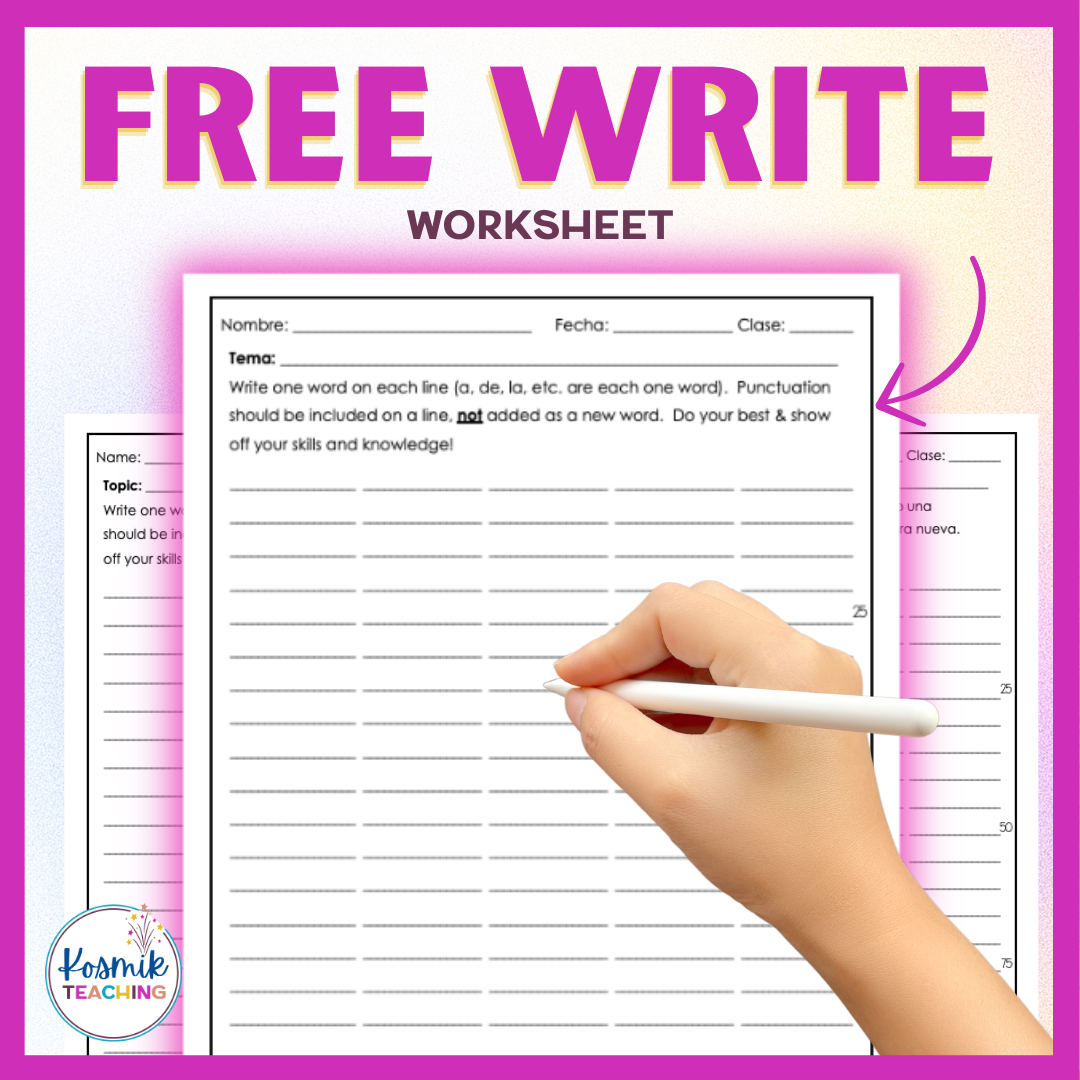
Psst – profe! Looking for a tool to help your students track their writing growth this semester? Download my Spanish Writing Growth Tracker worksheet, complete with counting lines to help students visualize their progress. This free resource is perfect for setting and achieving new writing goals in your classroom—grab your copy here!
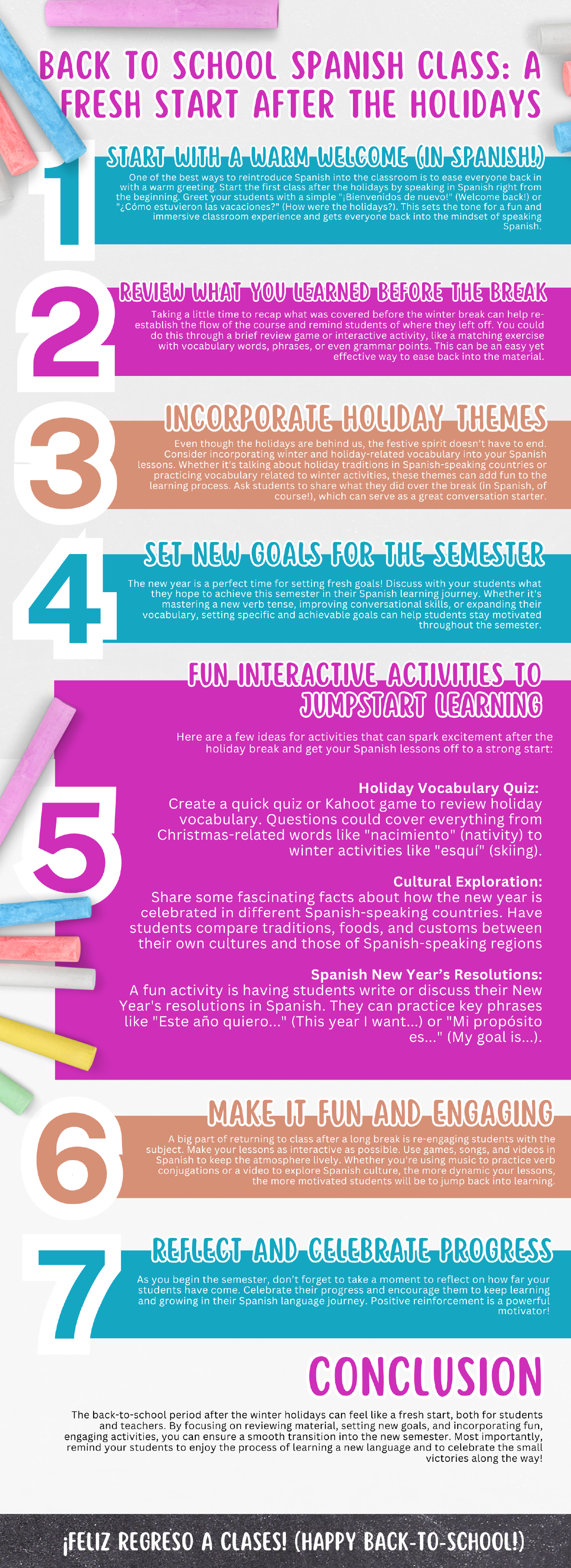
Review What You Learned Before the Break
Taking a little time to recap what was covered before the winter break can help re-establish the flow of the course and remind students of where they left off. You could do this through a brief review game or interactive activity, like a matching exercise with vocabulary words, phrases, or even grammar points. This can be an easy yet effective way to ease back into the material.
Check out this blog post about reteach & review for more ideas.
Incorporate Holiday Themes
Even though the holidays are behind us, the festive spirit doesn’t have to end. Consider incorporating winter and holiday-related vocabulary into your Spanish lessons. Whether it’s talking about holiday traditions in Spanish-speaking countries or practicing vocabulary related to winter activities, these themes can add fun to the learning process. Ask students to share what they did over the break (in Spanish, ¡claro!), which can serve as a great conversation starter.
You might consider teaching about:
- Traditions for el año nuevo
- Los Reyes Magos
Set New Goals for the Semester
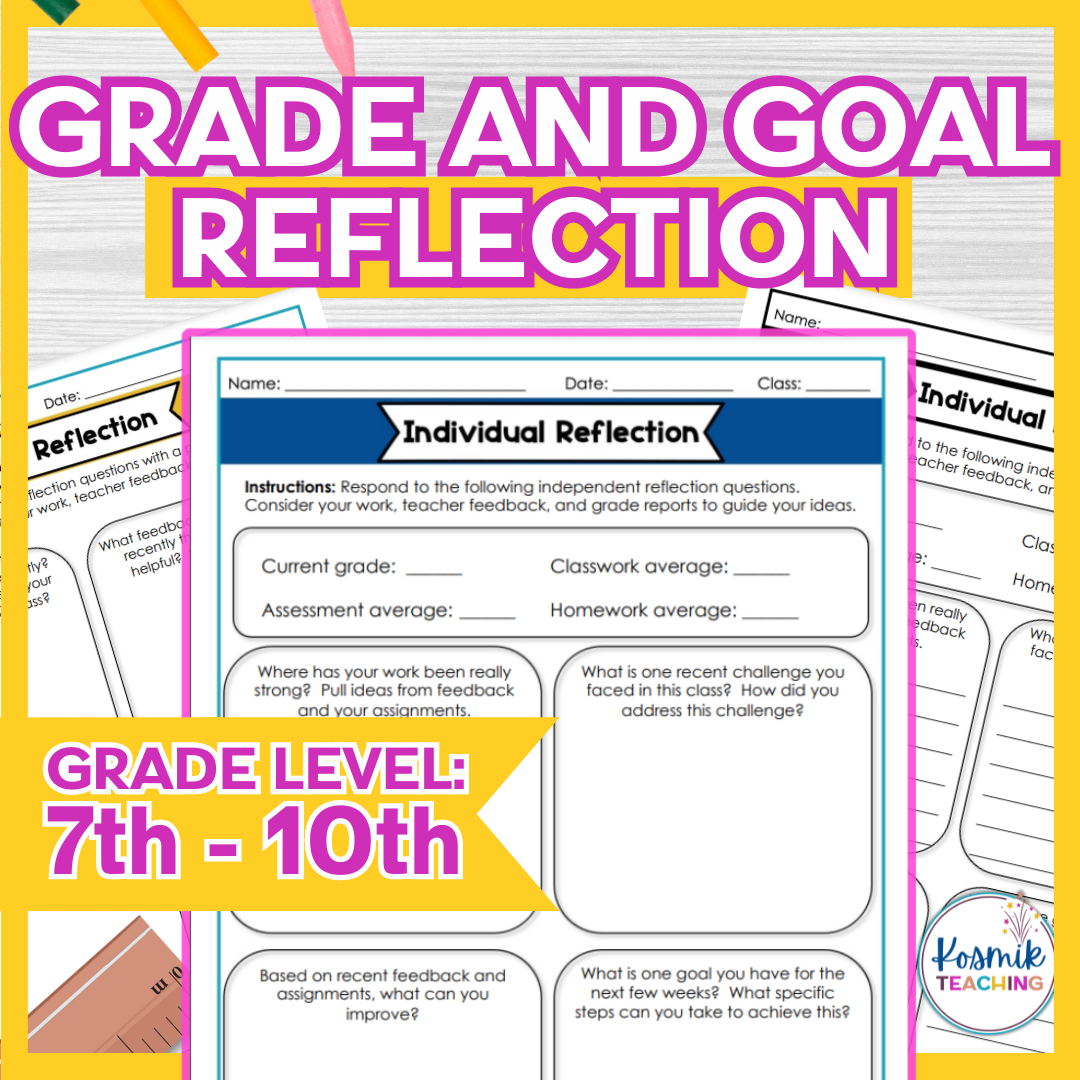
The new year is a perfect time for setting fresh goals! I love setting goals and usually do so with my students at the end of each unit. Discuss with your students what they hope to achieve this semester in their Spanish learning journey. Whether it’s mastering a new verb tense, improving conversational skills, or expanding their vocabulary, setting specific and achievable goals can help students stay motivated throughout the semester. This tool can be a great guide for students to reflect and set goals.
Looking for more ideas about setting student goals? Check out this blog post.
Fun Interactive Activities to Jumpstart Learning
A big part of returning to class after a long break is re-engaging students with the subject. Make your lessons as interactive as possible. Use games, songs, and videos in Spanish to keep the atmosphere lively. Whether you’re using music to practice verb conjugations or a video to explore Spanish culture, the more dynamic your lessons, the more motivated students will be to jump back into learning.
Here are a few ideas for activities that can spark excitement after the holiday break and get your Spanish lessons off to a strong start:
- Holiday Vocabulary Quiz: Create a quick quiz or Kahoot game to review holiday vocabulary. Questions could cover everything from Christmas-related words like “nacimiento” (nativity) to winter activities like “esquí” (skiing). You might even ask more responsible students to create the games for you, if that makes sense for your classroom.
- Cultural Exploration: Share some fascinating facts about how the new year is celebrated in different Spanish-speaking countries. Have students compare traditions, foods, and customs between their own cultures and those of Spanish-speaking regions.
- Spanish New Year’s Resolutions: A fun activity is having students write or discuss their New Year’s resolutions in Spanish. They can practice key phrases like “Este año quiero…” (This year I want…) or “Mi propósito es…” (My goal is…).
Reflect and Celebrate Progress
As you begin the semester, don’t forget to take a moment to reflect on how far your students have come. Celebrate their progress and encourage them to keep learning and growing in their Spanish language journey. Positive reinforcement is a powerful motivator, profe!
The back-to-school period after the winter holidays can feel like a fresh start, both for students and teachers. By focusing on reviewing material, setting new goals, and incorporating fun, engaging activities, you can ensure a smooth transition into the new semester. Most importantly, remind your students to enjoy the process of learning a new language and to celebrate the small victories along the way!
¡Feliz regreso a clases!